Introduction
Renovating your HDB flat is both exciting and challenging—it’s your chance to create a home that truly reflects your style and needs. However, in Singapore, HDB renovations are subject to strict guidelines, mandatory approvals, and specific contractor requirements. From choosing between BTO renovation packages and bespoke solutions to understanding what’s permitted under HDB rules, navigating this process requires more than just a good eye for design.
That’s why proper planning is essential. Without a clear budget, timeline, and design strategy, even the best ideas can lead to costly delays or compromises. In this comprehensive guide, you’ll learn everything from budgeting tips and popular HDB interior styles to renovation timelines, space-maximising solutions, and expert advice on avoiding common mistakes, equipping you to turn your HDB into your dream home confidently.

Understanding HDB Renovation Regulations and Requirements
1. Key HDB Renovation Guidelines You Must Follow
Permitted Renovation Hours and Noise Restrictions
Renovation work is only allowed on weekdays from 9:00 AM to 5:00 PM. Noisy works such as drilling and hacking are restricted to specific hours and must be completed within three consecutive days. Weekend works are generally prohibited.
Structural Modifications (What’s Allowed vs. Prohibited)
Not all changes are permissible. Structural elements like load-bearing walls and beams cannot be altered. You may perform minor renovation works such as floor renovation, toilet renovation, or HDB kitchen renovation, but major alterations require approval. For A&A works or more complex layouts like HDB maisonette units, structural assessments are often needed.
Waterproofing Requirements and Standards
Bathrooms and wet areas must comply with HDB’s waterproofing requirements. Improper work can lead to water seepage and disputes with neighbours. Waterproofing membranes and proper gradient floor slopes are mandatory.
Electrical Load Regulations and Limitations
There are limits to how much electrical load an HDB unit can support. If you’re planning a modern interior design with appliances or lighting that increase electrical demand, you’ll need to engage a licensed electrical worker (LEW) for assessment and approval.

2. Essential Permits and Approvals
HDB Renovation Permit Application Process
Most HDB renovation works—especially hacking, tiling, and plumbing—require prior approval via HDB’s renovation permit. Your HDB renovation contractor should submit this on your behalf.
Building and Construction Authority (BCA) Requirements
For structural changes, BCA approval may also be necessary. This includes alterations to external facades, additions, or significant structural reinforcement works.
Timeline for Approval Processes
Permits can take 2 to 4 weeks, depending on the scope of work. Applying early and engaging a competent HDB-licensed contractor helps reduce delays.
Common Reasons for Application Rejections
Applications may be rejected due to incomplete submissions, unlicensed contractors, non-compliant designs, or proposed works that breach HDB guidelines (e.g. removing structural walls or improper wet area upgrades).
How to Check If Your Contractor is HDB-Licensed
HDB’s Directory of Renovation Contractors (RDOC)
Always verify that your contractor is listed in HDB’s official RDOC. This ensures they’re familiar with regulations and accountable for their work.
Verification Methods and Important Credentials
You can search using the contractor’s company name or registration number on the HDB website. Look for experience in your flat type—whether a 3-room, 4-room, or 5-room BTO renovation.
Red Flags to Watch for When Hiring Contractors
Be wary of those who:
- Quote suspiciously low prices
- Request large upfront payments
- Lack of verifiable past projects
- Are unwilling to produce 3D drawings or design mockups
The Risks of Hiring Unlicensed Contractors
Using unlicensed individuals can lead to poor workmanship, damage to your unit, renovation delays, or even legal action from HDB. It also voids your renovation insurance and affects resale eligibility.
Comprehensive HDB Renovation Cost Breakdown
Average Renovation Costs by HDB Flat Type
3-Room HDB Renovation Costs and Considerations
Renovating a 3-room flat typically costs between $25,000 to around $40,000. The budget largely depends on the extent of work, whether it’s a basic refresh or a more ambitious upgrade. Key cost drivers include HDB kitchen, bathroom renovation, and small HDB bedroom design. Space efficiency is crucial, so space planning and smart storage solutions should be prioritised.
4-Room HDB Renovation Budget Planning
For a 4-room flat, renovation costs range from $35,000 to $55,000. This size allows more flexibility for thematic interior styles like Scandinavian or modern contemporary interior design. If you’re working with a 4-room BTO floor plan, budget for interior design 3D drawing services to visualise layouts and colour schemes. Consider allocating funds for living room interior design, upgraded flooring, and custom carpentry.
5-Room and Executive Flat Renovation Expenses
Expect to spend between $45,000 and $70,000 on HDB 5-room renovation or executive flats. Larger units mean more materials, labour, and customisation. Popular upgrades include balcony renovation, open-concept layouts, and feature walls. If your design leans toward modern interior design or features integrated appliances, consider also factoring in electrical and lighting upgrades.
Maisonette and Jumbo Flat Special Considerations
Renovation for HDB maisonettes or jumbo flats can exceed $80,000, especially if A&A works are involved. These double-storey units require more complex space planning, staircase refinishing, and multi-level coordination. Design concepts like landed house design Singapore or interior design for landed property in Singapore often inspire maisonette layouts due to their spaciousness and flexibility.
Cost Breakdown by Renovation Area
Kitchen Renovation Costs and Variables
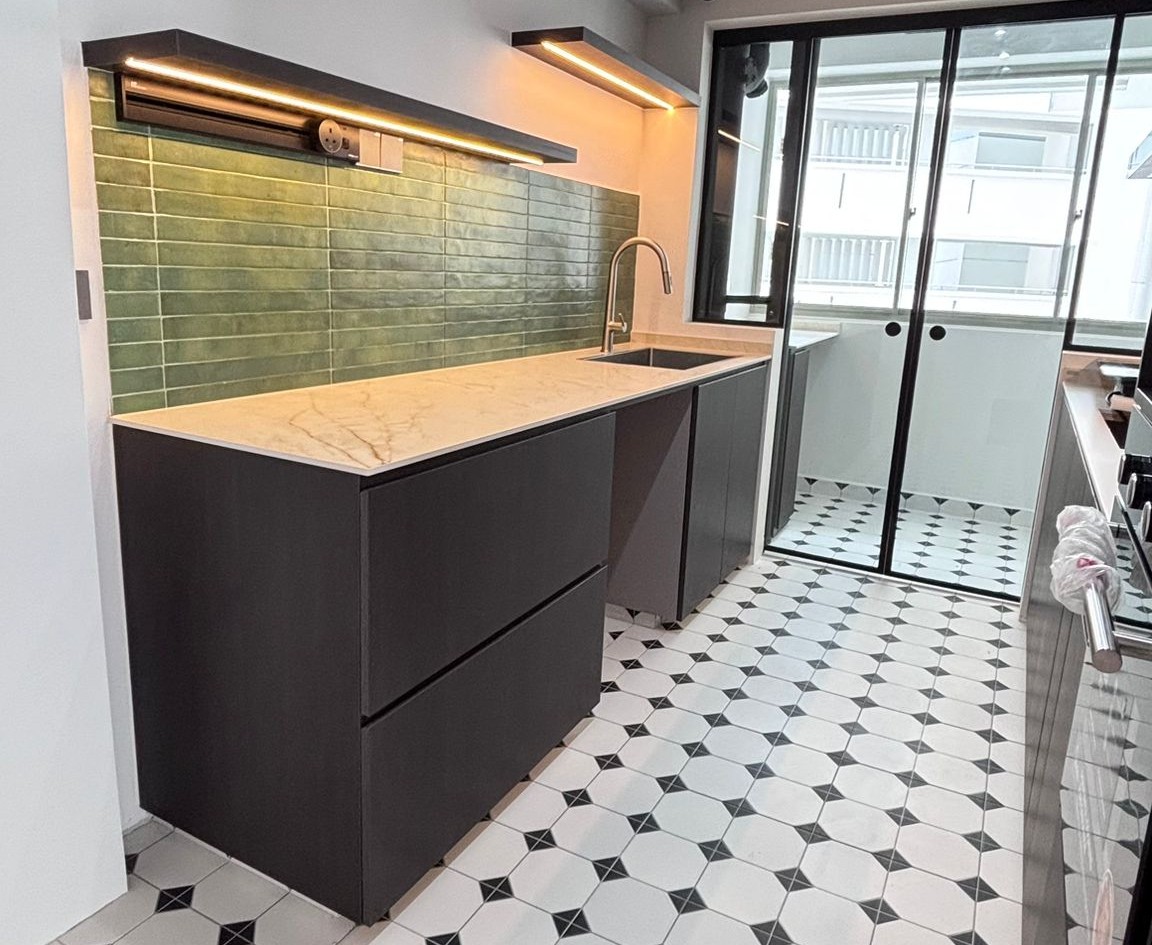
A typical HDB kitchen renovation ranges from $6,000 to $15,000, depending on the layout, materials, and appliance integration. Costs are driven by:
- Hacking and re-tiling
- Custom carpentry for cabinets
- Countertop materials (e.g. quartz vs. laminate)
- Plumbing and gas line relocation
- Appliance installation (built-in hobs, ovens, etc.)
Bathroom Remodelling Expenses
Expect to spend $4,000 to $8,000 per bathroom. Toilet renovation projects include waterproofing, tiling, vanity installation, and plumbing. HDB common toilet design must comply with waterproofing standards, especially in BTOs where tampering with waterproof layers can void warranties.
Living Room and Bedroom Renovation Pricing
Renovating your living room interior design can cost $5,000 to $15,000, depending on complexity. Budget for flooring, custom carpentry, feature walls, and lighting. For bedrooms, costs vary by size and whether small HDB bedroom design solutions like built-in wardrobes or platform beds are used. Adding designer touches like modern contemporary interior design or Scandinavian interior design will increase costs.
Balcony and Common Area Renovation Costs
Balcony renovation in Singapore can range from $3,000 to $10,000, especially for executive flats or maisonettes. Common upgrades include decking, privacy screens, and sliding glass doors. Don’t forget to factor in lighting and weather-resistant finishes.
BTO vs. Resale HDB Renovation Cost Differences
Why Resale Renovations Often Cost More
Renovating a resale flat usually costs 15% to 30% more than a BTO unit. This is due to:
- Hacking and demolition of old fittings
- Rewiring or re-plumbing worksRectification of wear and tearPest or mould treatment (in older flats)
BTO-Specific Renovation Considerations
BTO flats come as blank slates, so BTO renovation packages can be more cost-effective. However, wet areas like bathrooms often come pre-finished, meaning you’re limited in how much you can alter them unless you’re willing to redo waterproofing (at your own cost). 4-room BTO floor plan and 2-room flexi renovation options often calls for creative space planning due to size constraints.
Cost-Saving Strategies for Each Property Type
For resale flats: Retain usable fixtures, re-laminate carpentry, and overlay tiles where possible.
For BTOs: Bundle services through a home renovation package or HDB renovation package to save on labour and materials.
Timeline Differences Between BTO and Resale Renovations
BTO Renovations: 6–10 weeks on average, as there’s no need for hacking or demolition.
Resale Renovations: 8–12 weeks or more, depending on the extent of restoration works.
Learn more: Complete Guide to BTO Renovation: Timeline, Costs & Design Tips (2025)
Popular HDB Interior Design Styles in Singapore
Scandinavian Design for HDB Flats
Characteristics and Essential Elements
Scandinavian interior design is known for its clean lines, light-filled spaces, and functionality. It emphasises simplicity and nature-inspired elements, making it ideal for compact HDB flats.

Colour Schemes and Material Recommendations
Neutral tones like white, light grey, beige, and pastel accents form the base. Use materials such as natural wood, soft linen, matte laminates, and textured weaves. Flooring in warm oak or ash tones complements the minimalist aesthetic.
Space Optimisation Techniques
Scandinavian design champions multi-functional furniture and vertical storage to enhance space planning. Ideal for small HDB bedroom design and 2-room flexi renovation, it incorporates open shelving, hidden compartments, and modular furniture.

Cost Considerations for Scandinavian Design
Expect to spend $30,000 to $50,000, depending on flat size and carpentry complexity. Using prefabricated furniture and limiting custom-built pieces can keep costs down without compromising on aesthetics.
Modern Contemporary HDB Interiors
Key Features and Design Principles
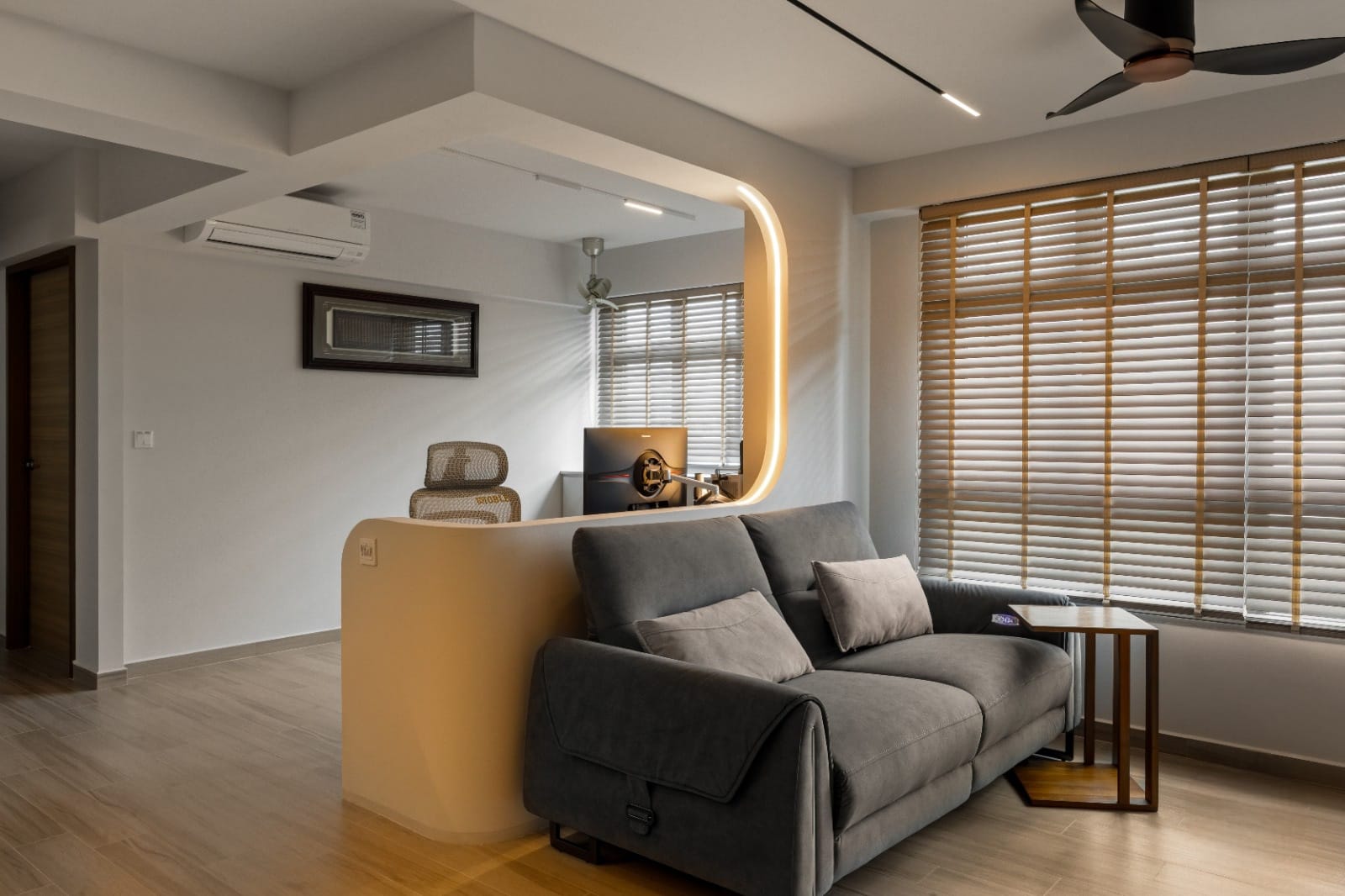
Modern contemporary design fuses sleek lines with luxurious accents. It’s ideal for homeowners who want a sophisticated, clutter-free look with artistic focal points and layered lighting.

Material and Colour Palette Recommendations
Common materials include glass, brushed metal, engineered stone, and high-gloss finishes. Colour palettes range from monochrome bases (white, black, grey) to bold accents like navy, emerald, or gold.
Furniture and Fixture Selection Tips
Aim for clean-lined furniture with statement pieces, like a sculptural coffee table or pendant light. Built-in wardrobes with hidden handles, sleek vanity units, and minimalist ceiling fans complement the look. Great for living room interior design and balcony renovation in Singapore, where you want seamless indoor-outdoor flow.

Budget Planning for Contemporary Designs
Costs range from $40,000 to $65,000, depending on the materials used and the size of the home. For HDB 5-room renovation or executive flats, expect higher customisation expenses, especially if paired with smart home integrations or premium finishes.
Minimalist and Japanese-Inspired HDB Designs
Core Principles and Aesthetic Guidelines
This style emphasises “less is more,” focusing on calm, uncluttered spaces. Inspired by Zen philosophy, it brings balance, intentionality, and clean symmetry to the home.

Space-Saving Solutions and Storage Ideas
Perfect for compact homes like 3-room BTO renovations, minimalist designs use concealed storage, raised platforms with hidden compartments, and pocket doors. This approach is also great for minor renovation projects that involve subtle layout tweaks.
Material and Texture Recommendations
Natural materials like raw timber, light rattan, rice paper, and soft ceramic tiles bring warmth without excess. Stick to earthy tones—creamy whites, soft browns, and muted greens.
Cost Considerations for Minimalist Renovations
Minimalist homes often cost $25,000 to $45,000, but require thoughtful design to avoid looking bare. Using interior design 3D drawings is crucial to visualise flow and proportions before finalising furniture placement.
Space-Maximising Solutions for HDB Flats
Smart Storage Solutions for Different HDB Room Types
Living Room Storage Innovations
Floating TV consoles, wall-mounted shelves, and concealed storage in coffee tables and sofas free up valuable floor space. Opt for built-ins that double as display cabinets or reading nooks—ideal for modern interior design and living room interior design.
Kitchen Space Optimisation Strategies
Use vertical space with full-height cabinets and open shelves. Pull-out pantry systems, magic corner units, and under-sink organisers increase functionality without expanding your kitchen’s footprint. Especially useful for small kitchen renovation projects and space-saving kitchen design in Singapore.
Bedroom Storage and Organisation Techniques
Maximise wardrobe interiors with adjustable shelves, drawer organisers, and pull-down hanging rods. Platform beds with hidden compartments are perfect for storing bedding, luggage, or off-season clothes. This is essential in small HDB bedroom design.
Bathroom Space-Saving Solutions
Wall-mounted vanities, recessed cabinets, and corner shelves help declutter small bathrooms. Choose compact fittings and consider niches built into shower walls. These work well in HDB common toilet design and compact toilet renovation projects.
Multi-Functional Furniture and Built-Ins
Space-Saving Furniture Recommendations
Invest in modular sofas, extendable dining tables, or coffee tables with lift-top storage. These allow you to switch between entertaining, dining, and relaxing without taking up permanent space.
Custom Built-In Solutions for Different Needs
Built-in wardrobes, study nooks, and shoe cabinets can be tailored to your flat’s layout. For HDB 5-room or condo renovation, full-height carpentry ensures no space is wasted.
Transformable Furniture Options
Murphy beds, foldable desks, and bench seating with hidden compartments are game-changers in modern contemporary interior design. These allow a single space to serve multiple purposes—ideal for a 3-room BTO or a balcony renovation in Singapore.
Cost-Benefit Analysis of Custom vs. Ready-Made
- Custom-built-ins: Higher upfront cost, better space utilisation, tailored finish.
- Ready-Made Furniture: Lower cost, quicker delivery, but may not fully maximise tight layouts
Visual Tricks to Make Your HDB Appear Larger
Strategic Mirror Placement and Benefits
Mirrors placed opposite windows reflect natural light and make rooms appear twice as large. Great for a 4-room HDB BTO living room design or narrow entryways.
Lighting Techniques to Enhance Space Perception
Use layered lighting: ambient (ceiling), task (desk/lamp), and accent (under-cabinet). Cove lighting or wall washers can visually “lift” ceilings in flats with lower heights.
Colour Schemes That Create Spatial Illusion
Light colours—white, cream, soft greys—recede visually, making rooms feel open and airy. Use tonal variations to add depth without clutter. This palette suits Scandinavian interior design and minimalist spaces.
Flooring and Ceiling Considerations
Use large-format tiles or continuous vinyl planks to create a seamless visual flow. Avoid dark, busy floor patterns. For ceilings, maintain a light tone and avoid bulky lighting fixtures to keep the vertical space feeling open.
The HDB Renovation Process: A Step-by-Step Timeline
Pre-Renovation Planning Phase (2–3 Months Before)
Setting Renovation Goals and Priorities
Start by identifying your must-haves: Do you need more storage? Want a stylish, modern interior design? Are you upgrading for resale or forever living? Whether you’re renovating a HDB maisonette, 4 room BTO, or landed property, clarifying your goals early guides all other decisions.
Budgeting and Financial Planning
Set a realistic budget by factoring in:
- Renovation type (BTO vs. resale)
- Room-specific works (e.g. HDB kitchen renovation, bathroom renovation)
- Furniture and appliances
- Buffer for unexpected costs (10–15%)
Designer and Contractor Selection Process
Shortlist a few interior designers or HDB licensed contractors. Check portfolios, client reviews, and whether they’re listed in the HDB Directory of Renovation Contractors (RDOC). Ask for a 3D interior design drawing to visualise the layout before committing.
Initial Design Concept Development
Collaborate with your designer on themes like modern luxury interior design, Scandinavian interior design, or minimalist Japanese-inspired aesthetics. Start drafting mood boards, floor plans, and basic material selections.
Preparation and Approval Phase (1 Month Before)
Finalising Design Plans and Materials
Lock in key design decisions—layout, materials, lighting, flooring, colour palette, carpentry specs. For resale flats, confirm the scope for A&A works and hacking. For BTO units, plan around fixed wet areas.
Obtaining Necessary Permits and Approvals
Submit renovation permits through your contractor. Works involving hacking, plumbing, or window grilles may also need approval from HDB and BCA. Ensure all HDB renovation guidelines are followed to avoid rejections.
Contractor Scheduling and Timeline Coordination
Once approvals are in, finalise your renovation start date and project timeline. Make sure your contractor provides a breakdown by phase: demolition, electrical, carpentry, etc. This is especially crucial in larger-scale projects like HDB 5-room or landed renovation in Singapore.
Temporary Accommodation Arrangements If Needed
If major works affect basic utilities, consider staying elsewhere. This is common during full-home renovations or wet area works like toilet and floor renovation.
The Renovation Execution Timeline
Demolition and Hacking Phase (1 Week)
This includes tearing down old fixtures, tiles, and walls (where permitted). Noise regulations apply, especially in HDB flats, so your contractor must adhere to allowable working hours.
Electrical and Plumbing Work (1–2 Weeks)
This covers rewiring, lighting points, socket placements, and waterline extensions. Always use certified electricians and plumbers to meet safety standards and avoid future issues.
Carpentry and Built-In Installation (2–3 Weeks)
From wardrobes and TV consoles to kitchen cabinets and custom benches, this phase includes measurement, fabrication, and on-site installation. If you’re investing in multi-functional furniture or built-in solutions, coordinate closely on sizing and finishes.
Painting, Flooring, and Finishing Touches (1–2 Weeks)
Final works include wall painting, vinyl/tile laying, fixture installation, and any balcony renovation or interior styling touches. This is also when touch-ups and defect rectifications are carried out before handover.

Common HDB Renovation Mistakes to Avoid
Planning and Budgeting Pitfalls
Underestimating Renovation Costs
Many homeowners set unrealistic budgets based solely on flat size. But a HDB 5-room renovation with custom carpentry, built-ins, and premium finishes can easily exceed expectations. Always research current rates and seek multiple quotes.
Inadequate Contingency Planning
Failing to set aside at least 10–15% of your budget for unexpected expenses—like waterproofing issues or electrical upgrades—can derail your project. This is especially common in resale HDB renovations, where older units often hide hidden flaws.
Poor Contractor Selection Criteria
Choosing a contractor based on the lowest quote instead of proven experience with HDB renovation contractor guidelines is risky. Always verify they’re listed on the HDB Directory of Renovation Contractors (RDOC).
Overlooking Hidden Expenses
Costs such as haulage fees, permit applications, post-renovation cleaning, and temporary accommodation (for major A&A works or wet area renovations) can add thousands to your total cost if not planned for upfront.
Design and Functional Missteps
Prioritising Aesthetics Over Functionality
While modern luxury interior design and trend-driven ideas may look great in photos, they may not suit daily living. For example, open shelves in kitchens look sleek but require more cleaning and offer less concealed storage.
Ignoring Storage and Space Planning
Underestimating your storage needs will lead to cluttered living spaces. Good space planning, especially in small HDB bedroom design or balcony renovation in Singapore, can drastically improve functionality without compromising style.
Poor Lighting Design Decisions
Overlooking layered lighting (ambient, task, accent) can result in dim corners or over-lit spaces. Proper lighting is crucial in modern interior design, where clean lines and textures need thoughtful illumination.
Compromising on Quality in Critical Areas
Skimping on waterproofing membranes, electrical works, or carpentry hardware can lead to costly repairs. Always invest in quality for high-usage zones like bathrooms, kitchens, and wardrobes.
Project Management Failures
Lack of Clear Communication with Contractors
Miscommunications about scope, materials, or finishes can lead to delays and dissatisfaction. Always maintain written records and conduct regular site visits.
Not Documenting Change Requests
Verbal changes can lead to disputes. If you alter the layout, material selection, or timelines, get everything documented in signed change orders.
Inadequate Quality Checks During Renovation
Don’t wait until the end for defects to surface. Schedule checks after each phase—especially after electrical/plumbing, floor renovation, and carpentry installation—to catch issues early.
Payment Scheduling Mistakes
Avoid paying a large sum upfront. Break down payments into progressive milestones (e.g., 10% deposit, 30% after demolition, 30% after carpentry, balance upon handover) to maintain accountability.
Expert Tips for a Smooth HDB Renovation Experience
How to Effectively Communicate with Your Designer
Setting Clear Expectations and Requirements
Start by clearly articulating your lifestyle needs, non-negotiables, and preferences. Whether it’s modern contemporary interior design, child-friendly spaces, or specific storage solutions, clarity helps your designer deliver what you actually need.
Creating Effective Mood Boards and References
Visual tools like Pinterest boards, Instagram saves, or samples from past projects make it easier to communicate your vision. Include notes on what you like (and dislike) about each reference—this helps refine your direction early on.
Regular Progress Review Strategies
Schedule weekly or bi-weekly check-ins, either on-site or virtually, to review progress, flag issues early, and ensure alignment with the approved interior design 3D drawing. Be responsive to your contractor’s queries to prevent delays.
Handling Design Revisions and Changes
If revisions are necessary, document them in writing and confirm the impact on cost and timeline. Frequent last-minute changes can disrupt workflows and increase your renovation budget significantly.
Managing Your Renovation Budget Effectively
Creating Itemised Budgets with Priorities
Break down your budget by categories—kitchen, toilets, flooring, carpentry, electrical, furniture—and label which items are “must-have” vs. “nice-to-have.” This helps you reallocate funds as needed without compromising essentials.
Tracking Expenses and Change Orders
Use a spreadsheet or renovation budgeting app to log every expense, including receipts and invoices. Track any change orders (e.g., switching from laminate to quartz countertops in your HDB kitchen renovation) to avoid budget creep.
Where to Splurge vs. Where to Save
- Splurge on: waterproofing, carpentry hardware, lighting, and long-lasting materials
- Save on: loose furniture, feature walls, decor (can upgrade later)
Prioritise quality in high-use areas like the toilet or floor renovation to prevent future repair costs.
Financing Options for HDB Renovations
Explore renovation loans from local banks or HDB renovation package plans from contractors. Always compare interest rates, processing fees, and early repayment terms before committing.
Post-Renovation Inspection Checklist
Structural and Safety Inspection Points
Check for cracks in walls, proper window installations, door alignments, and that no load-bearing walls were altered improperly, especially in HDB renovation or A&A works involving older flats.
Functionality Testing Procedures
- Test all power outlets, switches, and lights
- Turn on taps and flush toilets to check water pressure
- Open/close all cabinetry and drawers
- Ensure all appliances are installed and functioning correctly
Aesthetic Quality Assessment
Inspect finishing details—paintwork consistency, tile alignment, laminate joints, grout lines, and carpentry craftsmanship. Report any obvious flaws before the handover.
Defect Identification and Rectification Process
List all issues in a formal defect list and provide it to your HDB renovation contractor. Good contractors include a warranty period (usually 1–2 years) and will rectify defects free of charge if identified early.
Conclusion
Renovating your HDB flat is more than just a cosmetic upgrade—it’s a chance to create a home that truly reflects your lifestyle, needs, and aspirations. Whether you’re planning a 3-room BTO renovation, reimagining a HDB maisonette, or exploring modern luxury interior design for your 5-room flat, a successful renovation begins with proper planning.
Throughout this guide, we’ve covered the essentials: understanding HDB renovation regulations, managing your renovation budget, selecting the right HDB renovation contractor, exploring design styles like Scandinavian and modern contemporary interior design, and optimising your space with smart solutions. We’ve also highlighted common mistakes to avoid and shared real-life case studies to inspire your journey.
The key to a stress-free renovation lies in thorough preparation, clear communication, and working with professionals who understand your vision. Take time to assess your goals, establish a budget with contingencies, and choose design solutions that balance aesthetics and functionality.
Your ideal HDB home isn’t built overnight—but with the right guidance and support, it’s achievable.
If you’re ready to begin, reach out to our team at Elite Boss for a personalised consultation or to request a 3D interior design drawing. Let us help you visualise your space and turn your renovation dreams into a beautiful, functional reality.