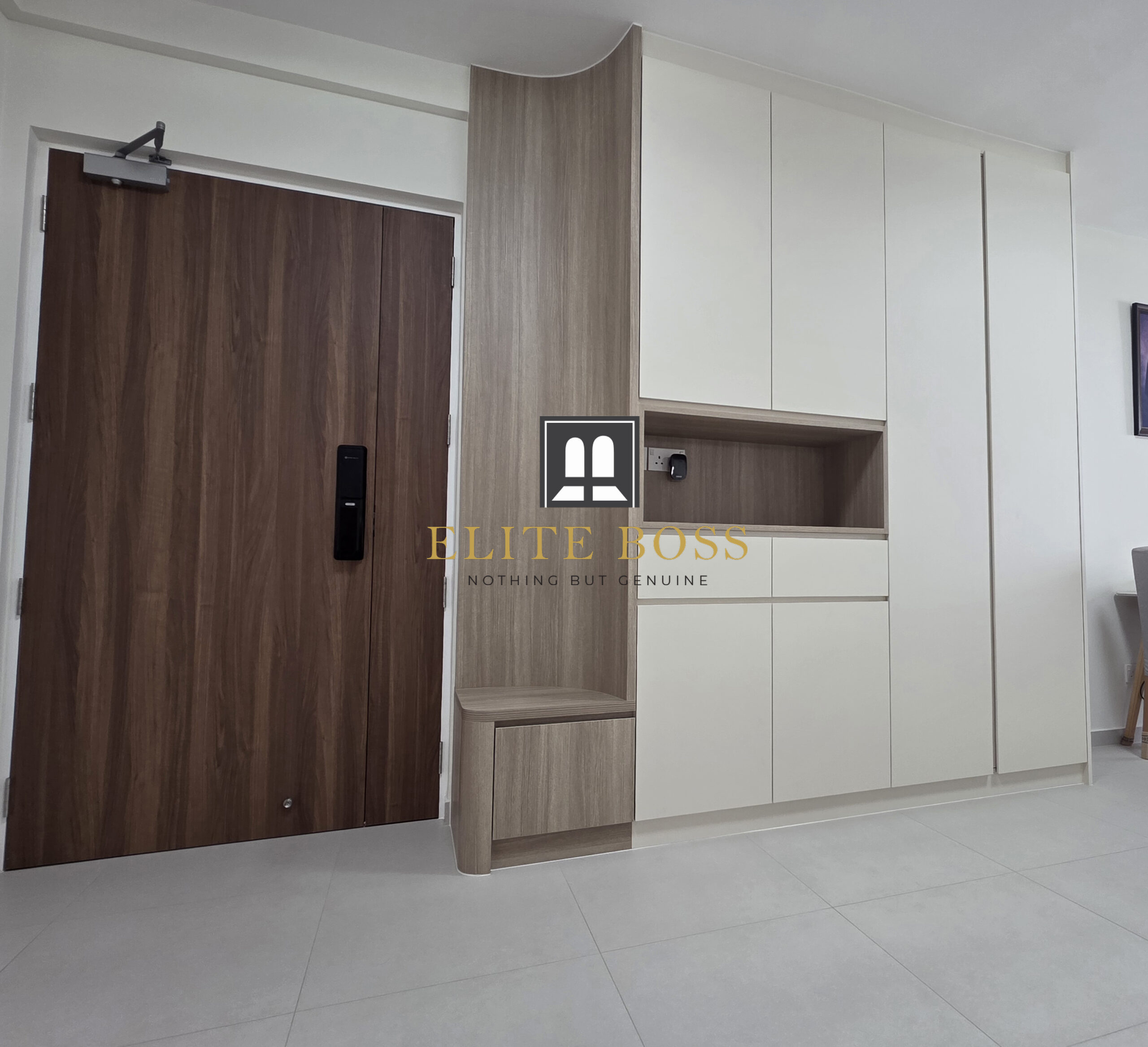
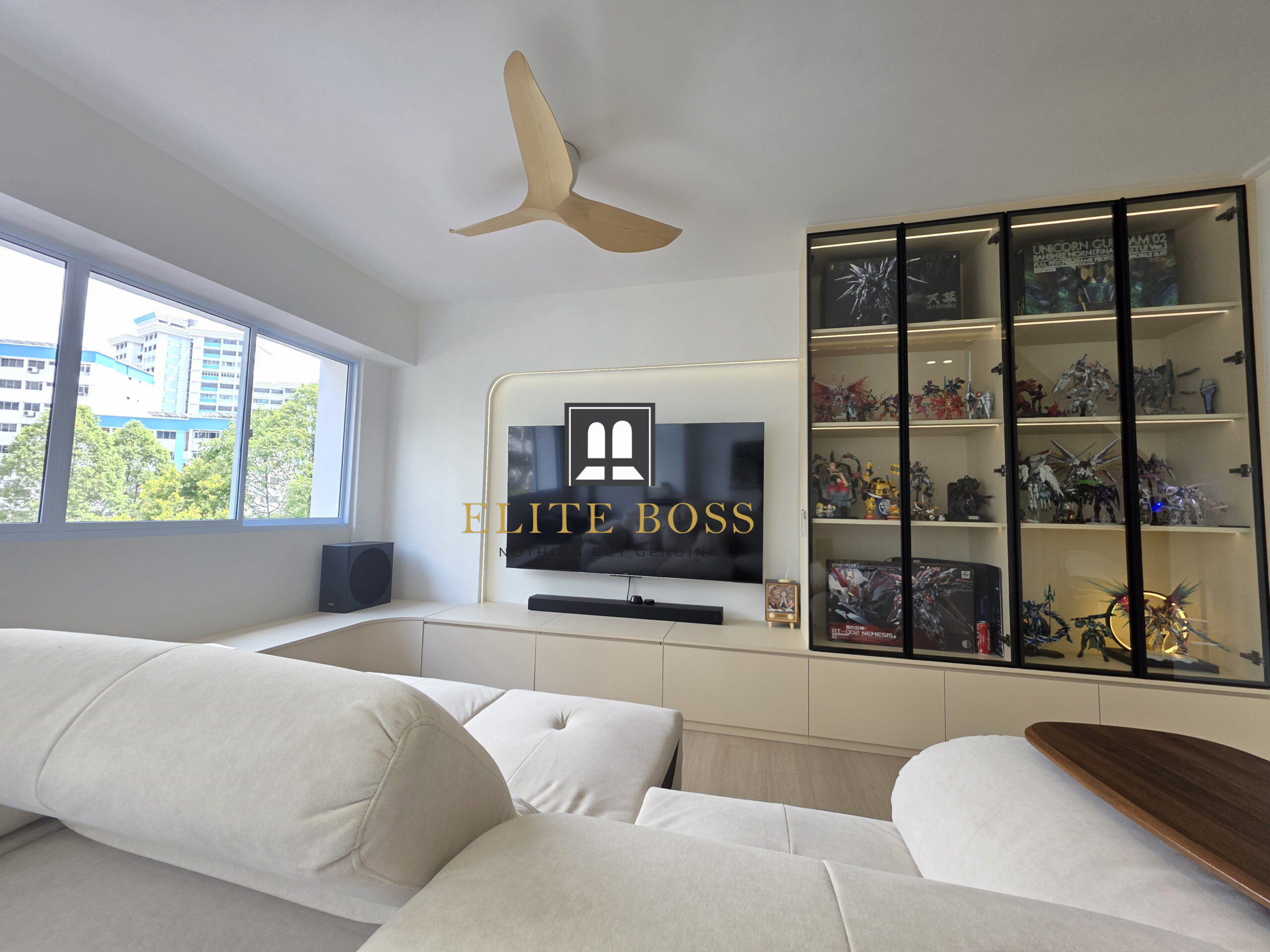
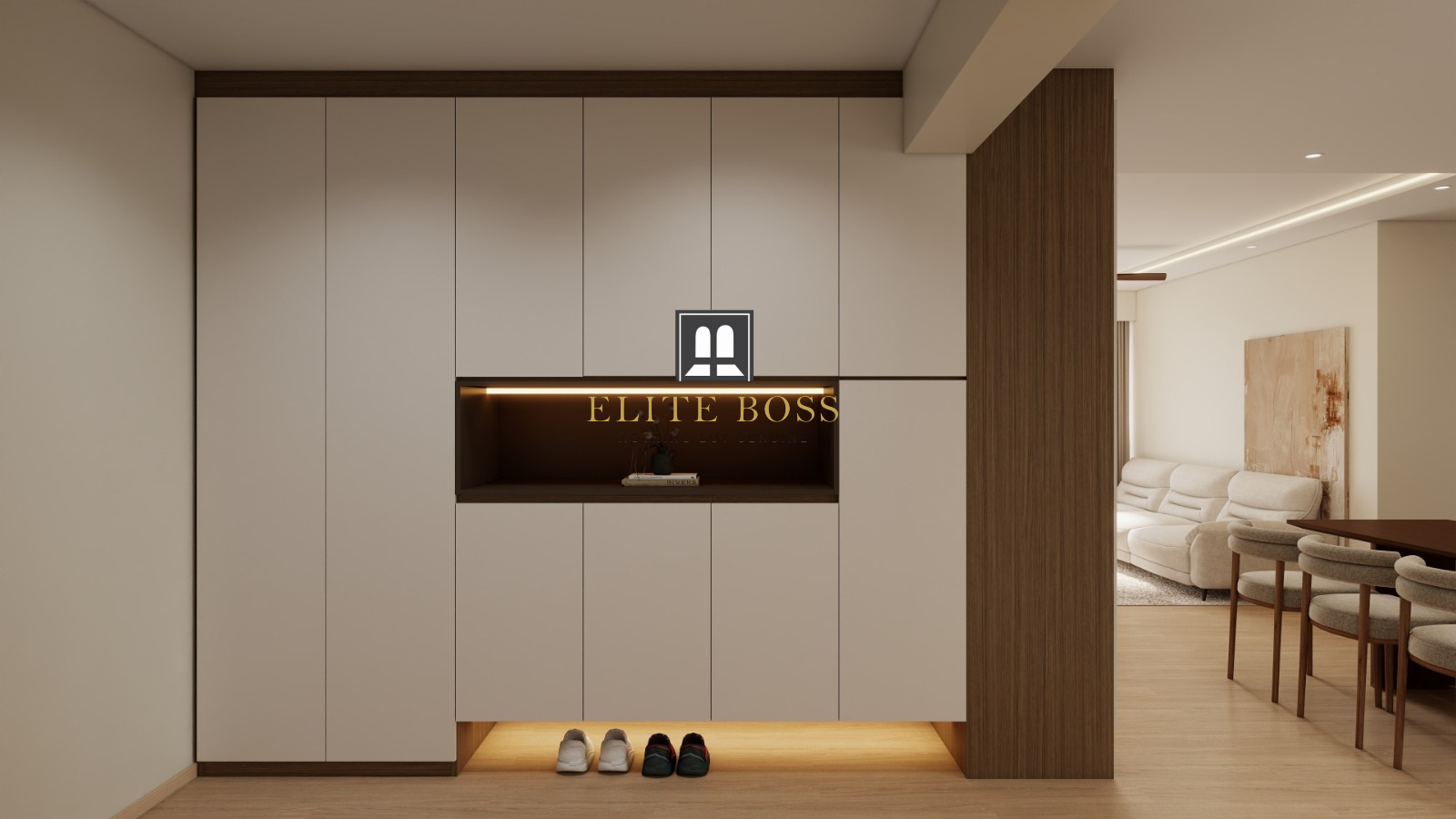
Picture this: you’re planning your dream home renovation, staring at flat floor plans and color swatches, trying to imagine how everything will come together. Will that sofa fit comfortably in the living room? How will the natural light affect your chosen paint colors throughout the day?
These are common struggles that homeowners face when interpreting traditional 2D designs.
What if you could walk through your renovated home before construction even begins? What if you could see exactly how your kitchen island will look with morning sunlight streaming through the windows, or how your bedroom will feel with that accent wall you’ve been considering?
This is where 3D drawing in interior design becomes a game-changer. Modern technology has transformed how we visualise and plan our living spaces, making 3D renovation design an essential tool for both designers and homeowners.
In this article, we’ll explore how this innovative approach is revolutionising the interior design industry and why it’s becoming indispensable for successful renovation projects in Singapore.

Demystifying the Dimensions: What Exactly is 3D Drawing in Interior Design?
Beyond Flat Sketches: Defining the 3D Environment
Traditional interior design relied heavily on 2D floor plans, elevation drawings, and material boards. While these tools provide essential information about layout and dimensions, they require clients to use their imagination to visualize the final result.
3D drawing in interior design changes this entirely by creating three-dimensional representations that show depth, height, texture, and realistic lighting.
Think of 3D drawing as creating a virtual replica of your future space. Instead of looking at lines on paper, you can see how furniture will actually fit, how colors will interact with natural light, and how different design elements work together in harmony. This approach brings scale and proportion to life, making it easier to understand spatial relationships and make informed decisions about your renovation.
The difference is particularly noticeable in 3 room BTO renovation projects where space optimisation is crucial. A 2D plan might show that a dining table fits in a particular spot, but a 3D visualisation reveals whether there’s enough walking space around it or if it blocks natural light flow.
3D Drawing vs. 3D Modeling vs. 3D Rendering: Clarifying the Process
Understanding the terminology helps clarify what you’re getting when you invest in 3D renovation design services:
| Stage | What It Involves | What You Get | Best For |
| 3D Drawing | Initial creation of three-dimensional sketches and basic layouts | Spatial framework and basic proportions | Early design concepts and space planning |
| 3D Modelling | Building detailed digital representations of furniture, fixtures, and architectural details | Accurate, detailed virtual objects | Precise measurements and custom elements |
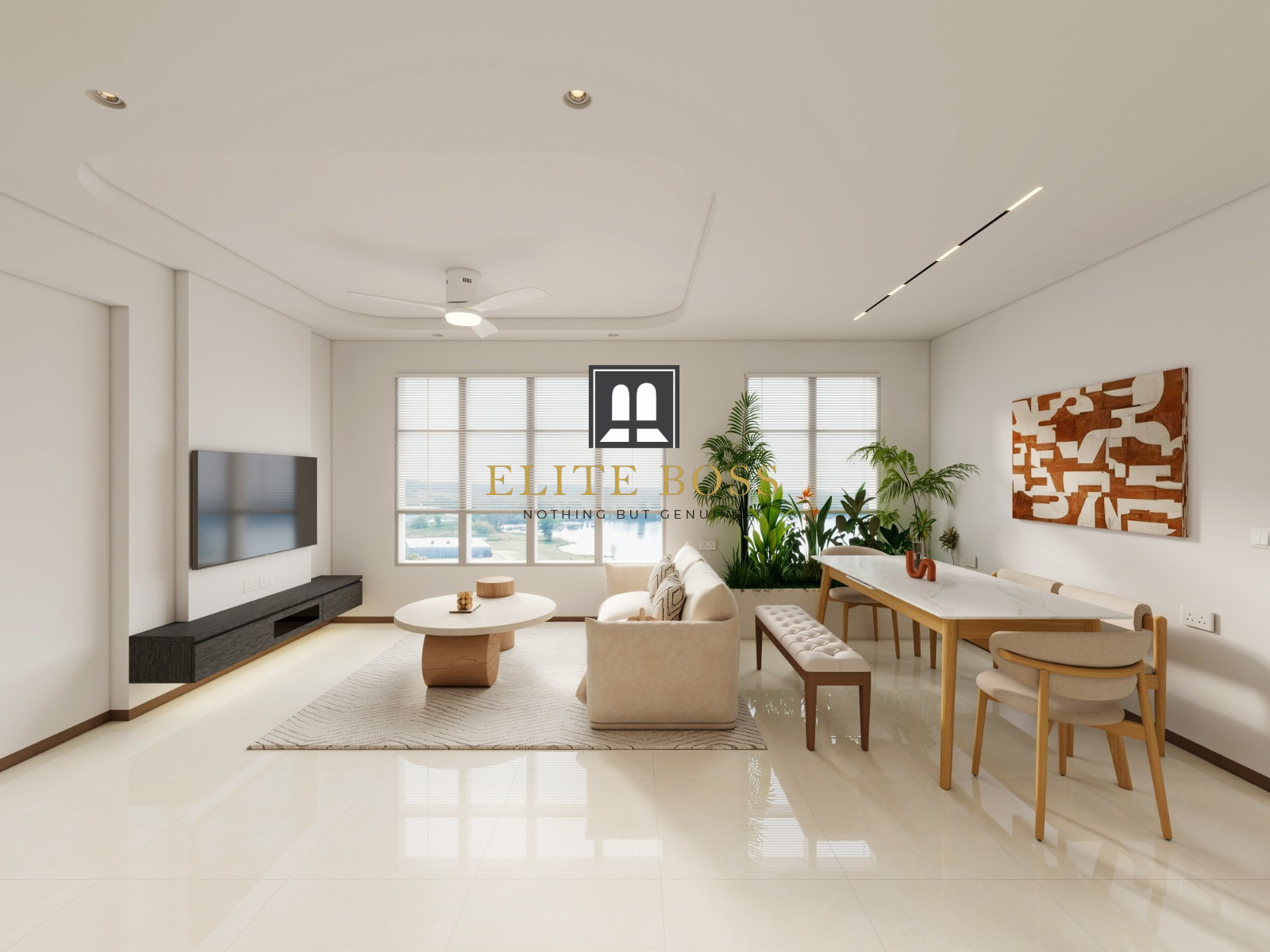
| 3D Rendering | Applying realistic materials, lighting, and textures | Photorealistic images that look like completed spaces | Client presentations and final approvals |
For example, in a typical home renovation package, the process might start with 3D drawings of the new layout, progress to detailed modelling of custom carpentry and fixtures, and conclude with high-quality renderings that show exactly how your completed home will look.
The Game-Changing Benefits: Why 3D Drawing is Now Essential
Flawless Planning and Error Prevention
One of the most significant advantages of 3D drawing for interior design is its ability to identify potential problems before construction begins. Traditional 2D plans might miss spatial conflicts that become obvious in three dimensions. For instance, you might discover that a proposed wardrobe design blocks access to electrical switches, or that a kitchen island interferes with cabinet door openings.
This real-time problem detection prevents costly on-site revisions that can derail budgets and timelines. When working on renovation ideas for Singapore homeowners, such as maximising small HDB spaces or optimizing landed property layouts, catching these issues early can save thousands of dollars in reconstruction costs.
Interior design professionals have seen numerous projects where 3D visualisation prevented expensive mistakes. In typical 4 room BTO renovation projects, 3D models often reveal issues like kitchen layouts that would create cramped cooking triangles or furniture arrangements that block natural light flow. These designs can be adjusted digitally, avoiding costly rebuilds that would have been necessary with traditional planning methods.
Unlocking Crystal-Clear Client Collaboration
Communication between designers and clients improves dramatically when everyone can see the same vision. Instead of trying to explain design concepts through words and sketches, 3D renovation design allows for immediate visual understanding. Clients can provide more specific feedback, leading to faster approvals and fewer revision cycles.
This improved collaboration is particularly valuable for complex projects with multiple rooms and design elements that need to work cohesively. When clients can virtually walk through their future home, they can better understand how different spaces connect and flow together.
The Freedom to Experiment and Personalise

3D visualisation makes it easy to compare different design options without commitment.
Want to see how your living room looks with modern interior design versus a more traditional approach? The comparison can be made instantly.
Curious about different flooring options or wall colors? Multiple variations can be created and viewed side by side.
This flexibility extends to every design element, from major layout changes to minor details like hardware finishes. For homeowners exploring renovation ideas for Singapore properties or working with a home renovation package, this means they can fine-tune their design until it perfectly matches their vision and lifestyle needs.
Perfecting Light and Atmosphere
Natural and artificial lighting dramatically impact how spaces feel and function. 3D rendering can simulate lighting conditions at different times of day and seasons, showing how your chosen colors and materials will look in various lighting scenarios. This is particularly important in Singapore’s tropical climate, where managing natural light and heat gain is crucial for comfort.
Whether you’re planning HDB renovation projects with limited window orientations or designing lighting schemes for spacious landed properties, understanding light behavior helps create more comfortable and energy-efficient homes.
The Designer’s Toolkit: Tools and Technology Behind the Magic
The Ecosystem of 3D Design Software
Professional interior designers use various software platforms depending on project complexity and client needs. Advanced tools like 3ds Max, Revit, and SketchUp Pro offer comprehensive modeling capabilities for complex projects such as interior design for landed property in Singapore or large-scale commercial renovations.
For simpler projects or client presentations, user-friendly platforms like Foyr Neo or Homestyler provide excellent results with shorter learning curves. These tools are particularly effective for 3 room BTO renovation projects or standard condo renovation work where layouts are more standardised.
At Elite Boss Interior Design, we select the appropriate tools based on each project’s specific requirements, ensuring that clients receive the level of detail and accuracy their investment deserves.
The Core Elements of an Effective 3D Drawing
Creating compelling 3D renovation design visualisations involves several key steps:
- Accurate Floor Planning: Everything starts with precise measurements and layout planning. This foundation ensures that all subsequent modeling accurately represents the actual space.
- Detailed Modeling: Every element in the space, from built-in carpentry to furniture and accessories, is carefully modeled to match real-world proportions and specifications.
- Material and Texture Application: Realistic materials bring the visualization to life. This includes everything from wood grain patterns and fabric textures to tile finishes and paint colors.
- Strategic Lighting Setup: Proper lighting simulation creates atmosphere and helps clients understand how the space will feel at different times of day.
- Camera Views and Composition: Choosing the right angles and viewpoints helps tell the design story effectively, highlighting key features and spatial relationships.
- Final Rendering: High-quality rendering produces photorealistic images that clearly communicate the design intent.
The Future is Now: How 3D is Pushing Design Boundaries
From Screen to Reality: 3D Printing and Custom Fabrication
The integration of 3D printing technology is revolutionising custom furniture and architectural detail creation. Designers can now create unique hardware, decorative elements, and even furniture pieces that are perfectly tailored to specific spaces and design visions.
This technology supports sustainable design practices by enabling on-demand production and reducing waste. For modern interior design enthusiasts who value both innovation and environmental responsibility, 3D printing offers exciting possibilities for creating truly personalized living spaces.
Immersive Experiences: Virtual Reality (VR) Walkthroughs
Virtual reality takes 3D drawing in interior design to the next level by allowing clients to experience their future homes in an immersive way. Instead of viewing images on a screen, clients can wear VR headsets and walk through their renovated spaces, getting a true sense of scale and spatial relationships.
This technology is particularly valuable for bold design choices in modern luxury interior design projects, where clients need confidence in their investment decisions. VR walkthroughs help eliminate uncertainty and build excitement about the renovation process.
Enhanced Precision: Creating Physical Scale Models
While digital visualisation dominates modern design processes, physical scale models still play important roles in complex projects. Advanced 3D printing technology enables the creation of detailed architectural models that help clients understand large-scale renovations or commercial projects.
These physical models are particularly useful for projects involving office renovation contractors where multiple stakeholders need to understand and approve design concepts.
Conclusion: Designing with Confidence, Clarity, and Creativity
3D drawing in interior design has evolved from a luxury service to an essential tool that benefits everyone involved in the renovation process. The technology continues to advance, offering ever more realistic and immersive experiences that bridge the gap between imagination and reality. Whether you’re planning a simple 3 room BTO renovation or a comprehensive home renovation package, 3D visualisation ensures that your investment delivers exactly what you envision.
At Elite Boss Interior Design, we’ve seen firsthand how 3D renovation design transforms the client experience. With over 20 years of experience and cutting-edge visualisation technology, we help turn your design dreams into detailed, achievable plans that exceed expectations.
Ready to see your renovation ideas come to life? Contact Elite Boss Interior Design today to discuss how our interior design 3D drawing services can make your next project a success.
Frequently Asked Questions (FAQ)
Q1: What is the main difference between a 2D CAD plan and a 3D drawing?
A: A 2D CAD plan shows layout and dimensions from a top-down view, while 3D renovation design shows depth, height, lighting, textures, and realistic perspectives. You can see how spaces actually feel rather than just how they’re organized.
Q2: Can 3D drawings really save me money on my renovation?
A: Absolutely. Identifying design problems and spatial conflicts before construction begins avoids costly changes during the build phase. This is especially valuable for home renovation package projects or 3 room BTO renovations where budget control is crucial.
Q3: Is 3D interior design software difficult for beginners to learn?
A: Professional-grade software requires training, but many user-friendly platforms are now available. However, for best results, working with experienced designers who understand both the technology and design principles is recommended.
Q4: How much does 3D interior design rendering typically cost?
A: Costs vary based on project complexity and detail level required. Many interior design firms you contact now include 3D rendering as part of their comprehensive service packages, especially for full renovation projects.
For accurate pricing, it’s best to discuss your specific needs during an interior design contact consultation. The investment typically pays for itself through improved decision-making and error prevention.
Q5: How long does it take to create 3D visualisations for my project?
A: Timeline depends on project scope and detail requirements. Simple room visualisations might take a few days, while comprehensive interior design for landed property in Singapore projects could require several weeks for complete documentation and rendering.